By Sreedevi G (AM.HS.I5ENG19057)
Sulphate Concentration and Water quality
Sulphate (SO4) can be found in almost all forms of natural water. They mostly occur in minerals like Epsomite, Gypsum, Glauber’s salt and Barite, naturally occurring in some soil and rock formations that have groundwater. These minerals dissolve over time, are released, and combine with the groundwater. And subsequently, such sulphates would be present in copious amounts in naturally occurring water bodies.
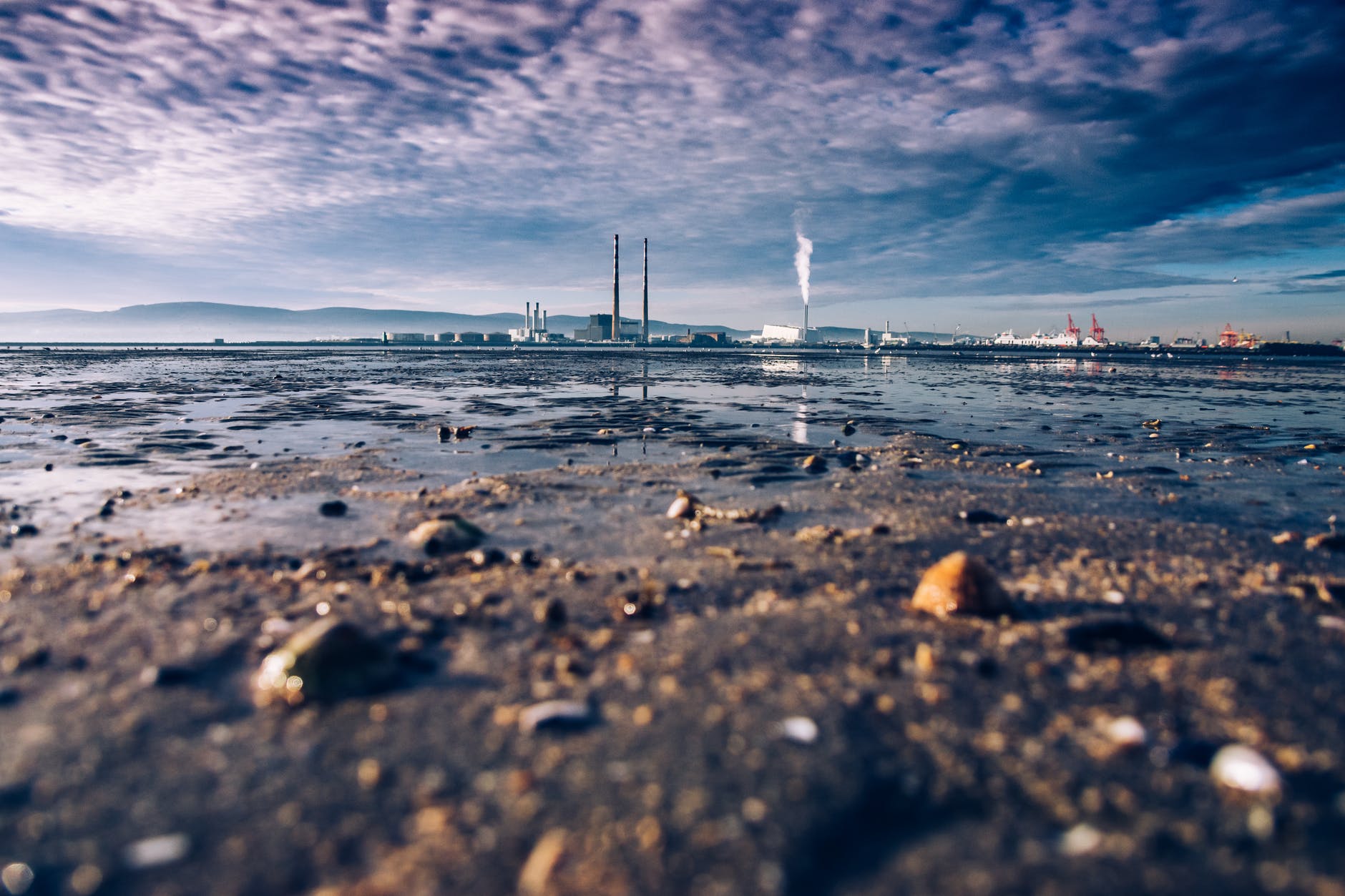
The source of most sulphates or sulphate compounds in water is due to the oxidation of sulphate ores, surface water run-off containing large amounts of industrial wastes, mine drainage, and fire and drought. Mines, smelters, tanneries and paper mills discharge water containing sulphate compounds into freshwater bodies. Out of these compounds, potassium and sodium sulphates are highly soluble while barium and calcium sulphates are less soluble, causing them to persist in these waters. Metallurgical Roasting of sulfide minerals and burning of fossil fuels increases the amount of atmospheric sulfur dioxide (SO2), which in turn creates another major factor contributing to the increased presence of sulphate concentration in surface water, Sulfur trioxide (SO3). Formed from the catalytic oxidation of SO2, SO3 combines with water vapor forming dilute sulfuric acid (H2SO4), which falls back to the earth, in a dissolved form, as ‘acid rain.’
Two of the most common factors for the hardness of water, calcium and magnesium, in combination with sulphates, causes water to have a laxative effect, and sulphate oxidizing bacteria, oxidize sulfides into sulphates, leading to the production of a black or dark slime prone to clogging and staining. However, the presence of sulphate reducing bacteria is far more than that of the oxidizing bacteria. These bacteria thrive in hot water with oxygen-deficient environments and are the main producers of hydrogen sulfide (H2S), an extremely corrosive substance, which completely tarnishes the quality of water. Even the usage of water heaters or water softeners can facilitate the production of H2S. The magnesium rods in the heaters chemically reduce sulphates and water softeners provide the most favorable environment for the growth of the above said, reducing bacteria; both indirectly causing the formation of H2S.
Increased sulphate concentration enhances the biodegradation of organic soils and also promotes the release of nutrients from the sediments, and dissolved organic matter into surface and pore water, facilitating internal eutrophication. The algae bloom from this, liberates hepatotoxins and neurotoxins, which are harmful to animals and plants alike, and in worst cases, can lead to death. Sulphate toxicity in surface water can alter proper macrophyte growth in plants. It can cause a sulfidic black discoloration to roots, interveinal chlorosis in new leaves, and an underdeveloped root system prone to diseases. One of the worst things possible due to sulphate concentration is that it promotes methylation of mercury. This methylation causes the production of mercury’s most toxic and common organic bio-accumulative form; methylmercury, which is extremely harmful to living beings. It attacks the central nervous system of the body and severely damages the brain and spinal cord, and the affected show symptoms of cerebral palsy. In general, sulphate contaminated water can cause nausea, illness, severe and chronic diarrhea, and in some worst cases, death.
EU standards (European Standards), far stricter than WHO’s standards for sulphate content in drinking water, suggests that a maximum of 250 mg/L of sulphate in water is perfectly suitable for human consumption. Any water that contains a concentration more than this level would have a bitter, medicinal taste to it and it is advised to avoid the usage and consumption of water that does have this trait.
Even though the consequences of exposure to sulphate concentrated water are drastic, there are treatment methods to remove sulphates from drinking water. Distillation, or more specifically, distillation units is one of the most common water treatment methods against sulfur. The contaminated water is boiled and the steam produced is condensed into a different container and the dissolved sulphate is left behind in the original boiling container. This treatment method can remove almost all of the sulphate but is extremely energy-consuming. Reverse Osmosis treatments (or RO) are also a common method of sulphate removal; passing the water through a semi-permeable membrane to remove them, however for large quantities of water treated, the remaining water left after treatment that is rejected, is more than half of what was initially there. These two solutions for the improvement of water quality are used mostly for small amounts of water.

Apart from the above-mentioned two treatment methods, the most known is the ion exchange method involving the purification of solutions by replacing the unwanted harmful ions with another, less-objectionable ions. Such treatments are usually done to improve the water quality of large quantities of water, not essentially for household use. The water is treated in a tank, filled with a resin, in this case, most likely, chloride resin, where the sulphate ions are replaced with the less-objectionable chloride ions, and the then formed sulphur resin is regenerated through salination. This method is often employed to remove sulphates, but mostly, the hardness of water itself.
Aside from these sulphur mitigation techniques that are utilized for improving water quality only after the water has been contaminated, this toxicity can be reduced right from the source too. The mitigation of mining at source and emission regulations to curb the production of acid rain can be implemented. The avoidance of directly discharging contaminated water directly into water bodies and instead, using buffer wetlands, would greatly protect more sensitive waters.
Photo by Emiliano Arano on Pexels.com
Also, it is critical to note that water treatment methods highly depend upon the type of water treated, the quantity of the contaminants as well as the form of the sulphates that are present in the toxic water. The treatment solution can only be chosen following these criteria. Therefore, it is imperative to test the water quality for the contents of the contaminated water before proceeding to purify it.
 The Oxidane Project