
By Harinandana R(AM.HS.I5ENG19033)
Nitrogen Runoff-A crucial water pollution method
Plant growth, protein and chlorophyll development etc, requires nitrogen which is normally found in gaseous form in the atmosphere. Converting those nitrogen atoms into nitrates( suitable form for the plants to absorb) is done by several kinds of bacteria in the soil as well as in the root nodules of certain plants like pea. This process of converting the atmospheric nitrogen into water soluble nitrates is known as nitrogen fixation. However instead of relying on these natural methods farmers were inclined towards the quick providers of nitrogen such as fertilizers.
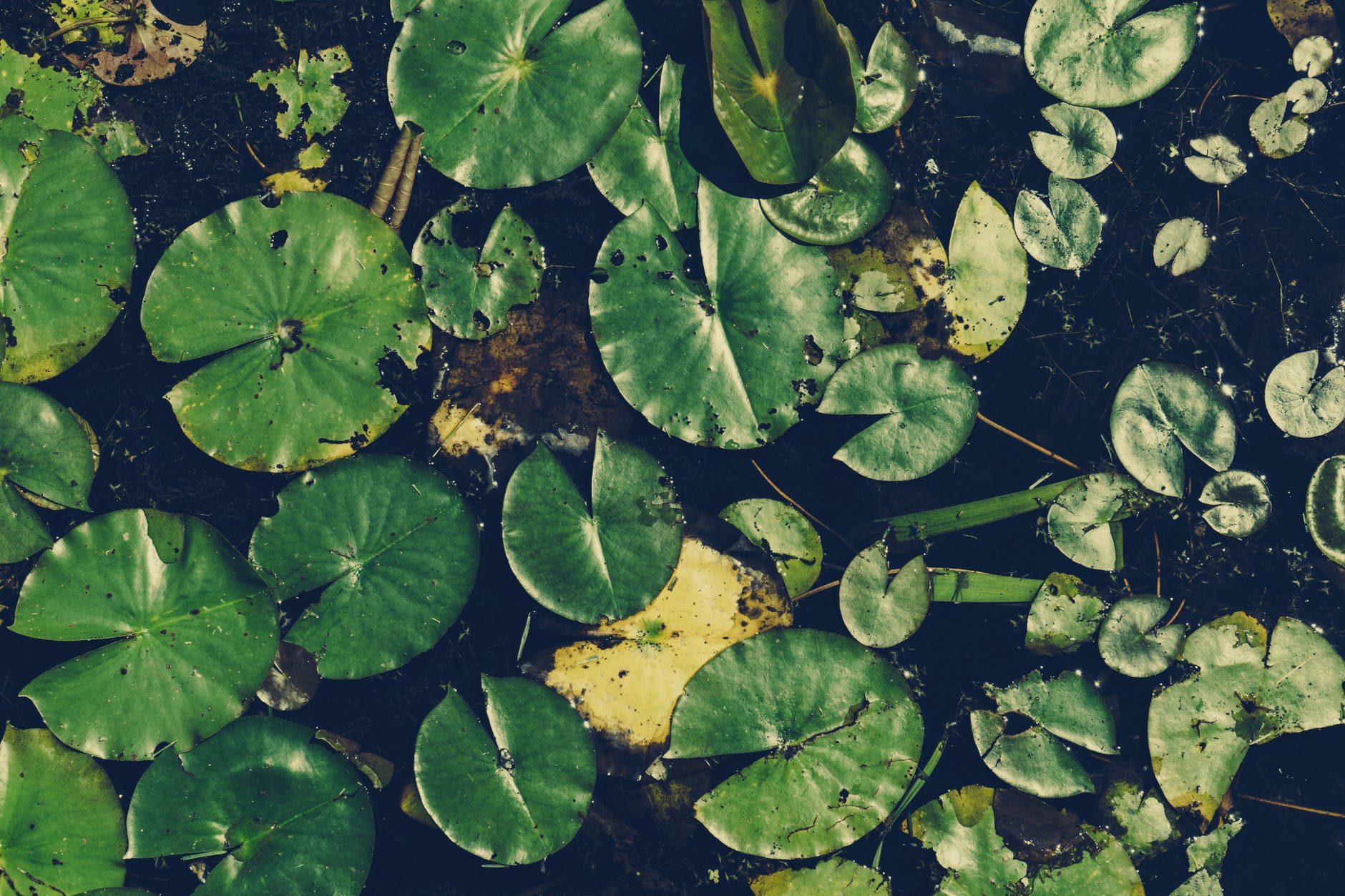
The use of these nitrogen fixing fertilizers not only devastated the natural structure of the soil but also disarmed the natural nitrogen fixers and thus making the soil less alive. The inability of the soil to provide nitrogen and other nutrients for the steady development of the plants promoted the farmers to affix more fertilizers to the list. Which in turn demolished the strength and water holding capacity of the soil. The unawareness of the farmers in the usage of these fertilizers its timing or even the amount of fertilizers used created a havoc. The excess nitrogen in the soil got washed away and reached the fresh water sources like lakes and rivers.
This enriched nutrients in the fresh water sources lead to the thriving of aquatic plant life absorbing more oxygen from the water. These algal blooms ushered gradual extinction of aquatic life which included fishes and other natatorials. This process of increased plant life in the water sources due to uninvited presence of nutrients is called eutrophication. Till 2012, there has been 880 ocean dead zones identified and the number is alarmingly increasing.
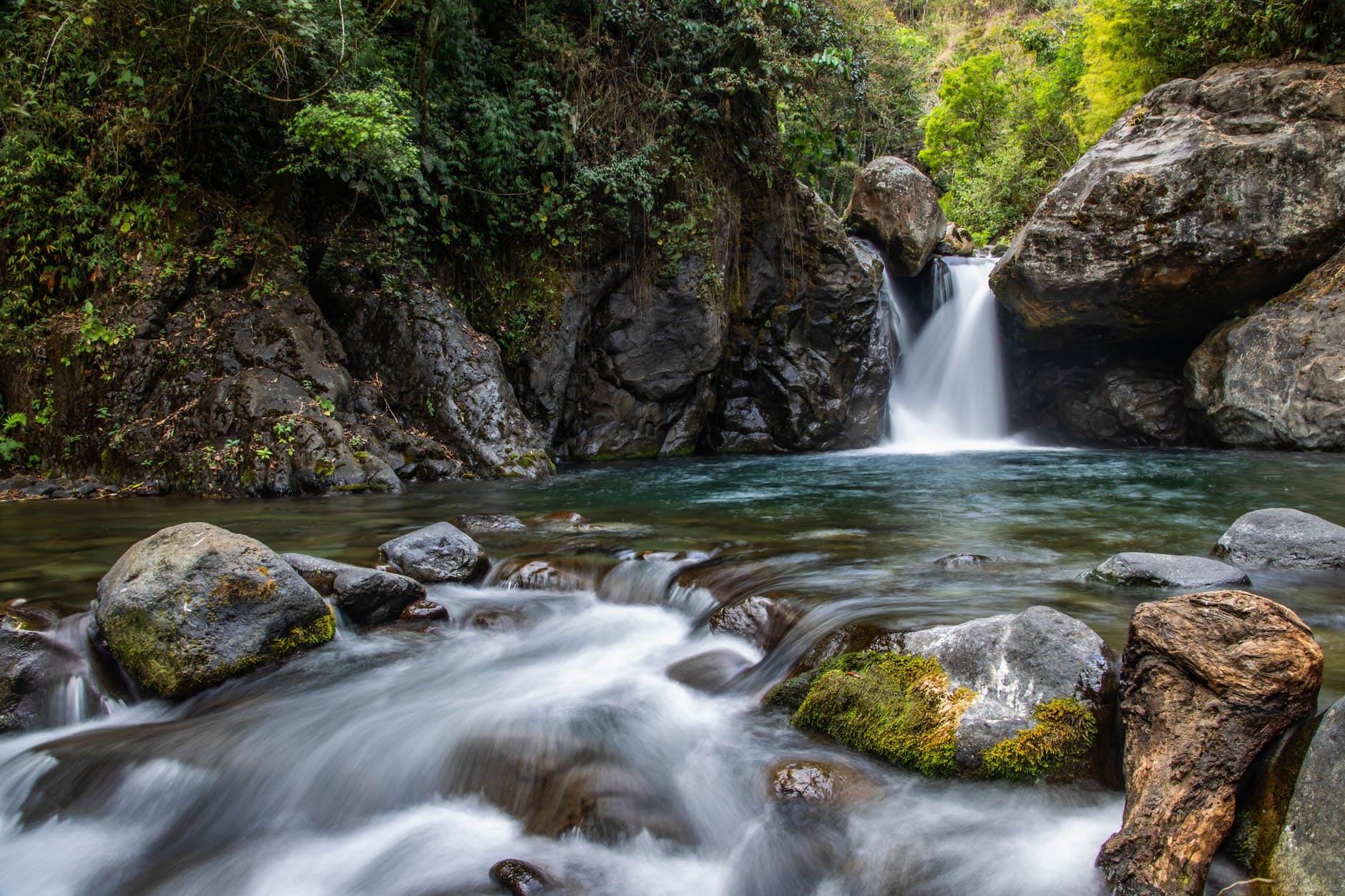
Photo by Diego Madrigal on Pexels.com
The nitrogen pollution in rivers can be from other sources like waste water effluent, untreated sewage, run off from unsewered industrial sites, atmospheric deposition over a water source etc. And these sources of pollution are generally classified as point sources and non point sources owing to the influence each make.
In 2014, the entire population of Toledo Ohio nearly 290,000 people was devoid of water supply as a result of the accumulation of toxins in Lake Erie. Menacing algal blooms piled up around the city utilities intake pipes inducing the city life to a stand still. This instance was never unique. Nitrogen contaminated drinking water is a major concern of communities around the globe. As the plight elevated, certain solutions emanated as well. In fact, many has already commenced into establishing the alternatives.
The United States of Agriculture created three fertilizer best practices that are currently implemented on about 35% of the cropland in U.S.
- Rate:- applying the right amount of fertilizer
- Timing:- applying fertilizer only when needed.
- Method:- injecting nitrogen directly into the soil rather than spreading it over the surfaces
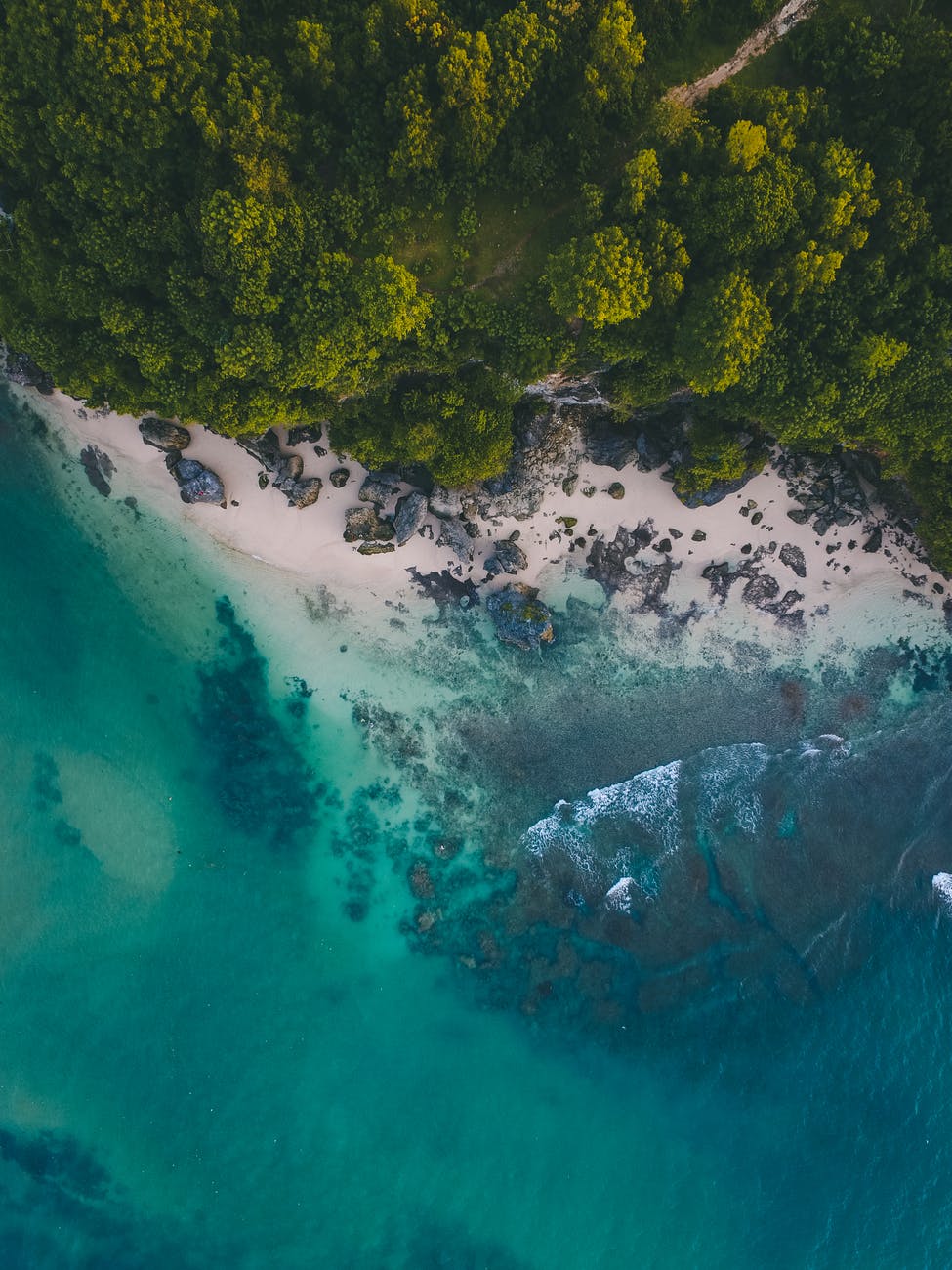
Other policies call for the installation of Riparian zones by which demands the embedding of thin strips of forested land bordering a river on either side, which prevents the nutrients from reaching the river. In order to motivate the farmers, the government can launch certain schemes like low cost soil and crop test to know the amount of nitrogen they need to use.
The Clean Water Act (CWA) issued through National Pollutant Discharge Elimination System (NPDES), Blue Plains Advanced Wastewater Treatment Plant in Washington, D.C ( municipal sewage treatment), Total Maximum Daily Load (TMDC) etc, are some of the regulatory plans to control the amount of pollutants ( including nutrients) in the water bodies. Through such measures, the government aspires to suppress the influence of the pollutants in the day to day essentials like drinking water.
 The Oxidane Project