
By Akshara K (AM.HS.I5ENG19008)
Grey Water
Grey water or sullage refers to the waste water which is generated from households or office or from streams without faecal contamination. It contributes almost 50 – 80 percentage of household waste water. Grey water is much easier to treat and recycle in comparison to black water because of the absence of faecal matter, thus, free from pathogens and disease-causing bacteria.

Is Grey water Dangerous?
Diseases caused by untreated water are numerous. Therefore, it is crucial to treat greywater before use. A consensus among different studies suggest that grey water is not safe to ingest thus grey water systems should keep grey water in pipes soaking into ground in order to prevent accidental ingestions. The mishandling of grey water may result in unpleasant and dirty surroundings thus providing breeding grounds for vectors like mosquitoes.
Uses of grey water
With proper treatment Grey Water can be put into good use. It can be used in irrigation, in toilet flushing system and also can be used for laundry. The re-use of grey water does not diminish our quality of life however it can provide benefits on many levels. The nutrients in the treated grey water (phosphorus and nitrogen) will be utilised by plants when used for irrigation.
The use of grey water reduces the amount of freshwater used up in the household for other functions. The reusing of grey water to water plants and flush toilets reduces the load of fresh water required, thus water demand can be reduced drastically. This can come handy in places which suffers from droughts or places with dry climatic conditions. By re-using grey water for one another function before it is dumped into the sewage system reduces the amount of waste water generation thus increasing water usage efficiency. This in turn reduces the load that the treatment centres have to handle in ensuring that it is purified thus reducing the total energy required for both water distribution and sewage purifying companies.
The re-use of grey water reintroduces nutrients that would have otherwise been lost to the sewage system. The kitchen and bath water contains a lot of organic compounds that are not , thus, if directed to gardening would provide plants with needed nutrients. The grey water used in watering plants are purified by both plant and soil action which neutralises the use of chemicals that might, in excess, harm the soil and the organisms that live within it. The grey water used often ends up being filtered by soil as it moves down and ends up in the groundwater where it replenishes the levels therein. This in turn ensures that waterways (such as rivers) sourcing from the underground acquirers are always fed.
Grey Water Recycling
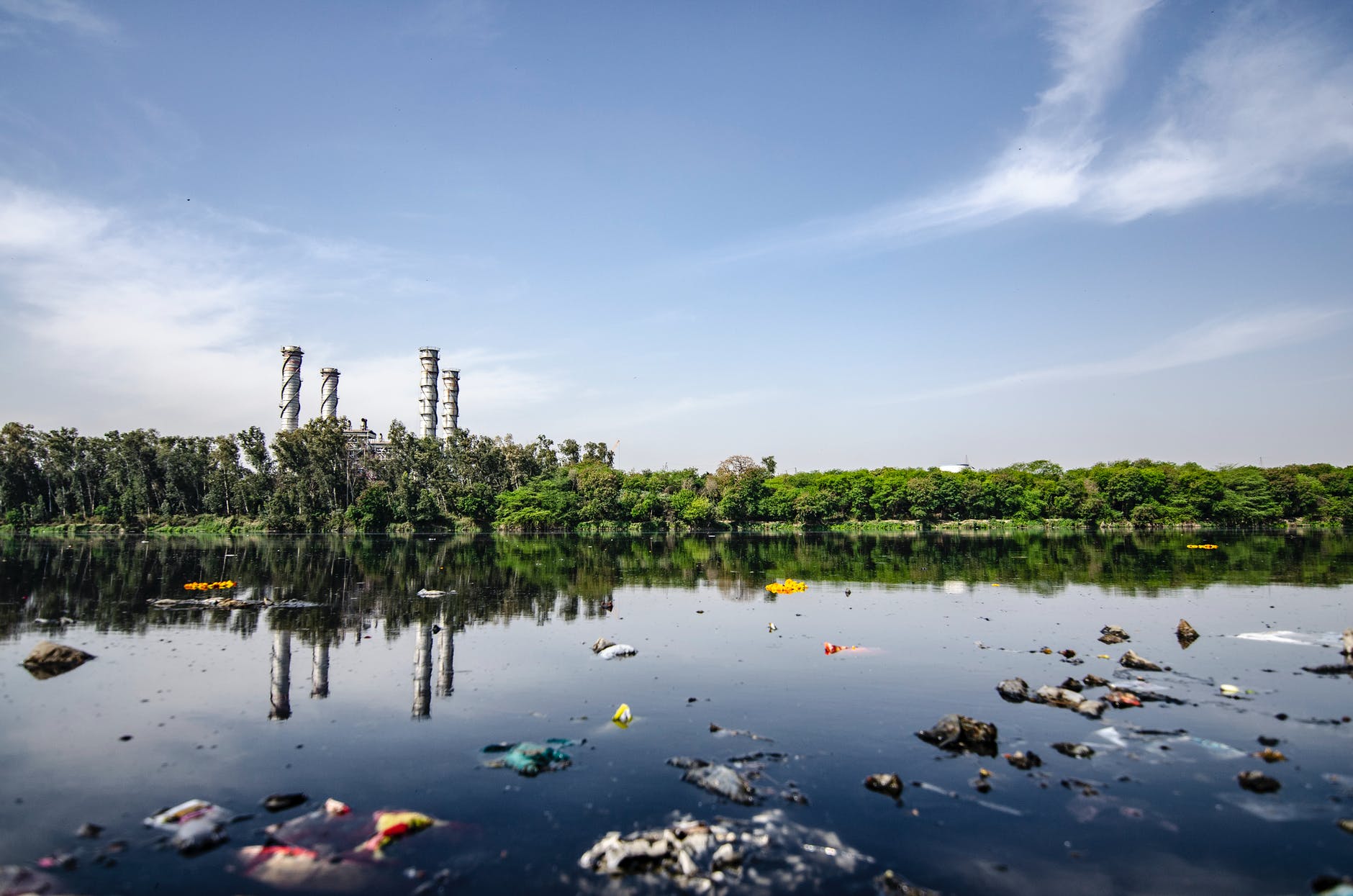
Photo by Yogendra Singh on Pexels.com
Grey water isn’t always suitable for immediate re-use without prior treatment as depending on its source it may be contaminated with particles of food, grease, hair or cleaning products. Therefore, a combination of aerobic and biological treatment may be necessary to get rid of any biological matter persistent in the liquid. The water is further released to a filtration system to remove smaller solid particles, bacteria and viruses. Depending on the level of use of water it might also be disinfected by ultra-violet light or special chemicals such as chlorine, chlorine dioxide or silver stabilised peroxide to completely eliminate the dangerous bacteria in the water.

Most grey water is easier to treat and recycle than sewage as it contains lower levels of contaminants. If collected using a separate plumbing system from black water, domestic grey water can be directly recycled and used. If stored it must be used within very short span of time or else it will begin to putrefy due to organic solids suspended in the water.

Photo by Pixabay on Pexels.com
 The Oxidane Project