By Deepika R Nair (AM.HS.I5ENG19024)
Effects of Water Pollution on Aquatic Life
Water is a vital resource for every being found on Earth, it covers almost 71% of Earth; it is also present underground and in the atmosphere as vapour. The saline waters which are oceans, seas and bays are of 96.5%, while freshwater is of 2.5 % of which we only use 1%. Yet, the pollution in water exceeds more than that!
Water pollution is classified for surface and underground water while marine pollution and nutrient pollution are just subsets of water pollution. Still, they are important because it is causing damage and degradation to this ecosystem which is a home to millions of plant and animal life. The habitats varies from location, depth and its components to species of plants, fishes, amphibians, reptiles and mammals. The main ‘source’ of pollution are fertilizers, toxic chemical effluents from industries, animal and human wastes, plastics etc. This catastrophic pollution, affects the aquatic life more than it is to humans; since it is their habitat and they cannot survive in anywhere other than water.
The fertilizers and chemical effluents which come under nutrient pollution, this pollution results in chemical poisoning to water and the life it holds. The poisoning can affect in three ways: neuro-physical, behavioural and reproductive. The poisoning can be acute leading to be fatal and chronic which is a slower death through bioaccumulation. Some can be reversed but poisoning which are above certain of levels of toxicity can result in irreversible changes in the ecosystem.
The pesticide contaminated waters are highly lethal, while herbicides can cause fish kill as the plant decays can consume the oxygen. Repeated exposures to these chemicals result in the mentioned behavioural changes such as leaving their nests and broods, decreased immunity to diseases and decreased predator avoidance. Other than heavy metals like lead, copper sulphate, zinc and others, effluents from industries like ammonia, phosphorus, nitrogen and other harmful Volatile Organic Compounds (VOC’s), these toxic chemicals cause slow and painful death to the aquatic life; they trigger eutrophication causing death through lack of oxygen.
Aquatic Hypoxia aka oxygen depletion is the lack of dissolved oxygen that it becomes detrimental to the living beings in the system. Excessive growth of algae is the primary cause for the depletion. Even during the night time, these photosynthetic algae and phytoplankton are actively respiring taking up the dissolved oxygen. Temperature is also another factor, fishes are cold-blooded animals, meaning their bodies are regulated by the habitat they live in, increase in temperature increases the intake of oxygen.
Weather is another factor which affects the habitat. Cloudy and windless days not just halts photosynthesis but also the surface diffusion of atmospheric oxygen. On summers and hot days, though the bottom of the water body will be cool but as the season changes it becomes stagnant and depleted of oxygen. And when it cools from a heavy rain, the oxygen deficient water and the depleted oxygen in the water body can cause harm to fishes.
The drop in count of aquatic life from the above-mentioned effects, ends up disturbing the food chain, resulting in starvation and scarcity. When certain aquatic animals leave their habitat for a better one, their predators/consumers starve, this results in an imbalance, both in the food chain and the ecosystem.
The run off waters from fields, disposal of chemical effluents and sewage or waste water does not only result in excessive growth of algae and phytoplankton but also microbial life. This increase in microbial population is infectious to them. The infection is either deadly or effect their reproductive and breeding cycles. Infection and disease in fishes is very dangerous when they enter the food chain, as it can cause longer illness to its consumers.
The microbial infections and excessive growth are also infectious to aquatic vegetation. As they play an important role in maintaining the level of dissolved oxygen in the waters, but with lack of sunlight or from the debris present in the water, it leads to lack of oxygen causing a halt in their photosynthesis, and their decay leads to scarcity of food for the animals.
The change in the pH of water, also results in starvation and scarcity, loss of biodiversity and extinction of species. Not all aquatic life can survive in freshwater or marine waters. Each species has their own composition and mechanisms which make adaptable to certain type of water. The change in pH comes from the change in hydrogen ions present in the water. The source for this imbalance is the chemical effluents from industries. Though some species might become adaptable through time not all will be able to adapt and survive.
The presence of plastic and other debris along with eutrophic growth can lead to turbidity and murkiness in the water, which blocks the dissolution of atmospheric oxygen, interrupting photosynthesis of aquatic vegetation. The debris being non- biodegradable, trap animals causing them to die from suffocation and sometimes catch the eggs and larvae causing their death; which again disrupts the breeding cycle.
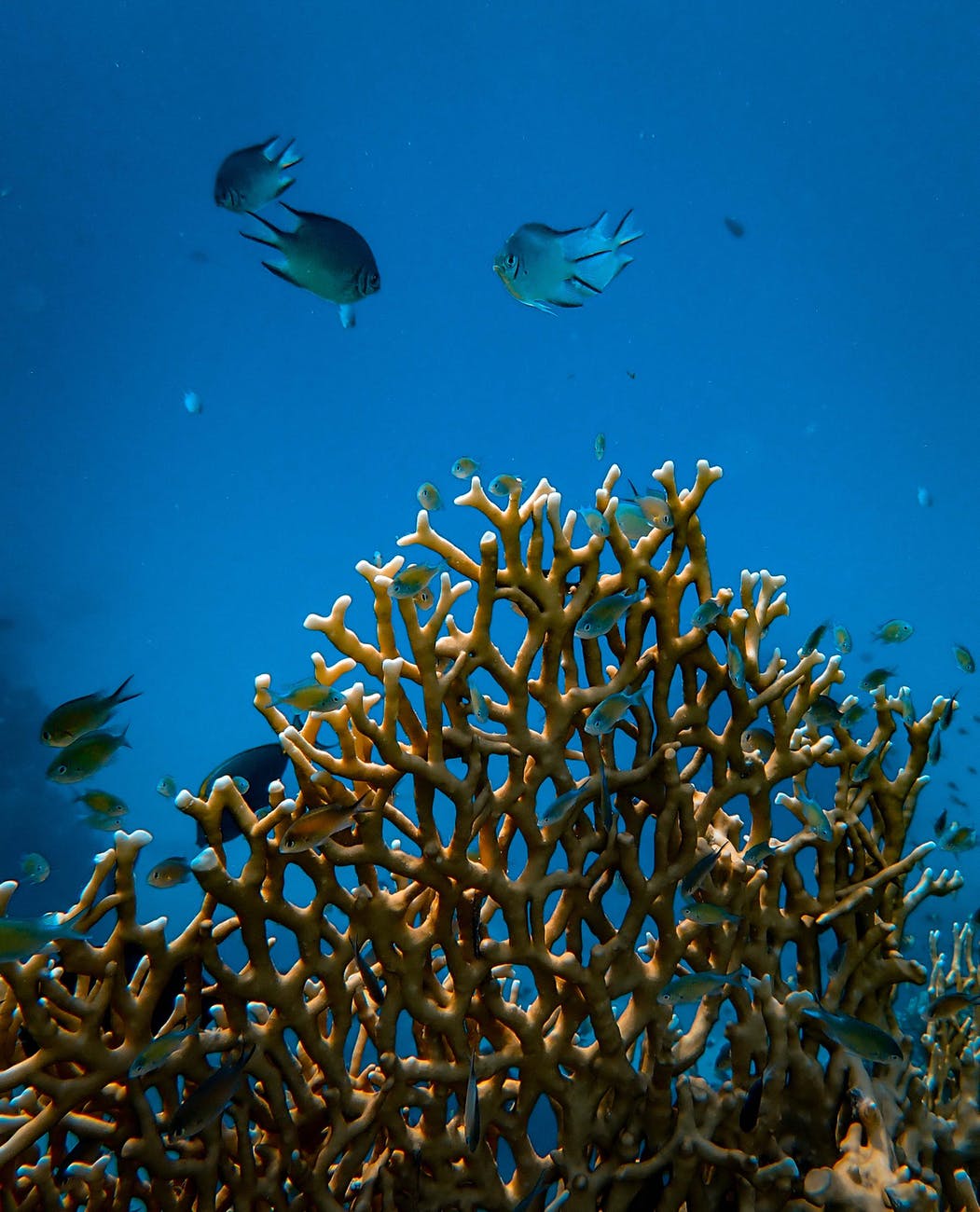
Photo by Francesco Ungaro on Pexels.com
Though the main sources for water pollution are disposal and run-offs, they have resulted in multiple lethal poisoning to water and its aquatic life. From excessive growth to thermal pollution, starvation and scarcity in food chain to disrupting the breeding cycle; leading to degradation of ecosystem to loss of biodiversity and extinction of species.
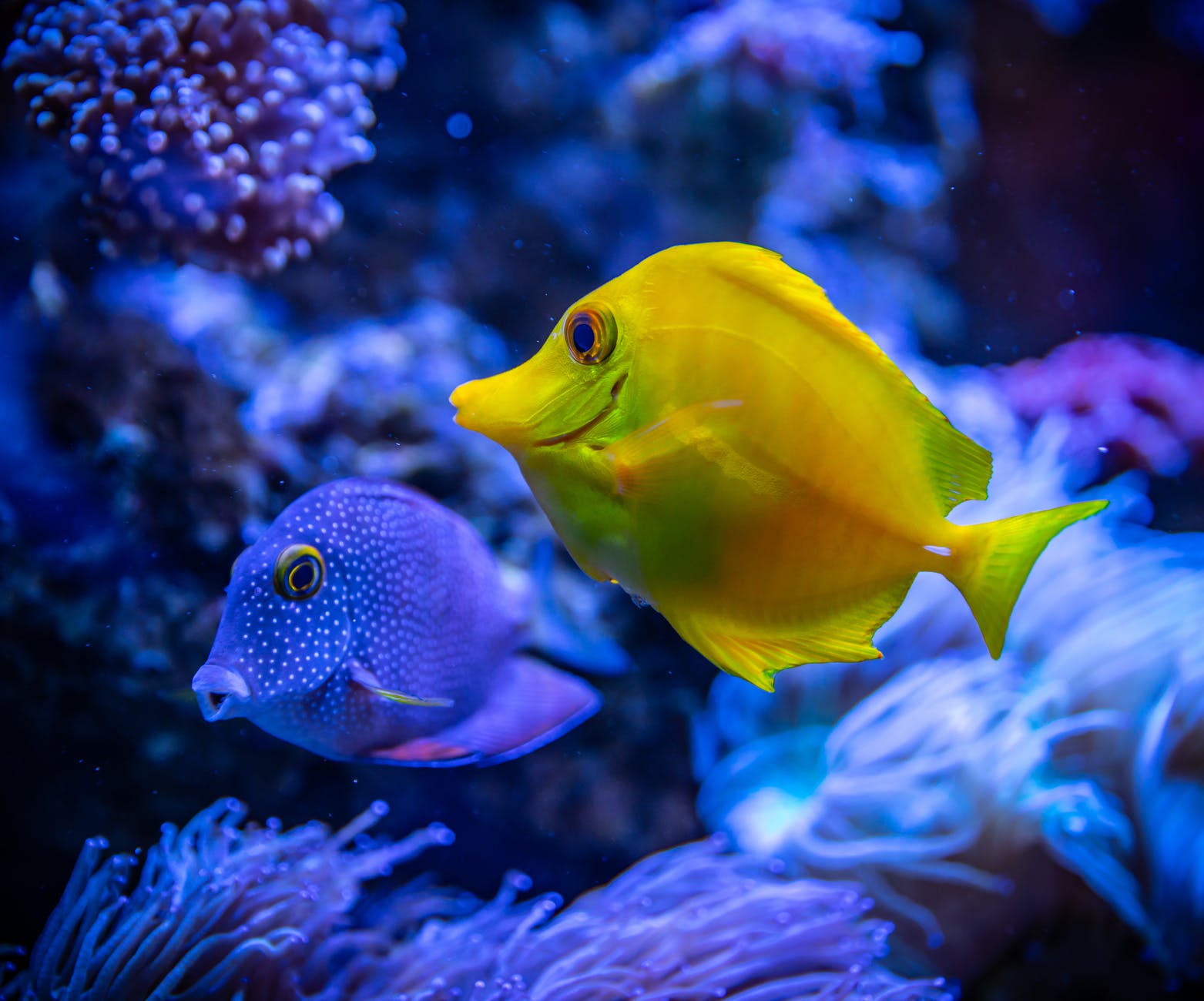
Photo by Egor Kamelev on Pexels.com
Water is versatile solvent on earth, it does not disintegrate or destroy debris instead integrates and accommodates them. Hence, pollutants released into waters will continue to be deadly to water and to the life it holds. The contamination of water has to controlled and stopped. It has been estimated that the decrease in aquatic life during the last twenty years is about 40%. If their habitat becomes unhabitable they have nowhere to go unlike us humans who can rebuild a broken house.
 The Oxidane Project